
One day when Bulgaria danced.
Dance has no limits.
Freedom is to dance.
Festival Rules
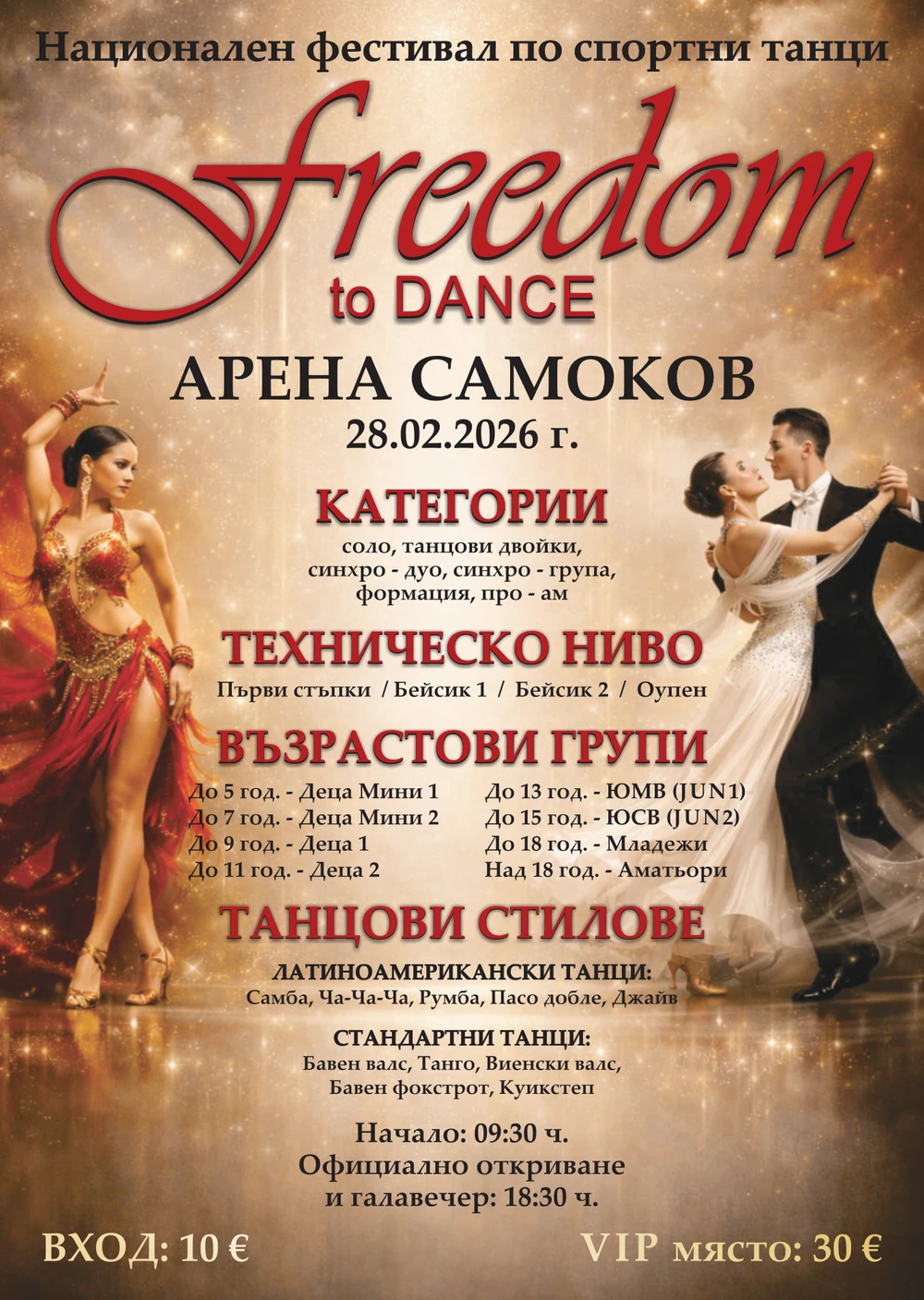
- Categories
- Solo, couples, synchro duo, synchro group, formation, Pro-Am
- Technical level
- First Steps / Basic 1 / Basic 2 / Open
- Age groups
- Up to 5 — Kids Mini 1 • Up to 7 — Kids Mini 2 • Up to 9 — Juveniles 1 • Up to 11 — Juveniles 2 • Up to 13 — Juniors I (Jun 1) • Up to 15 — Juniors II (Jun 2) • Up to 18 — Youth • Over 18 — Adults
- Dance styles
- Latin American: Samba, Cha-Cha-Cha, Rumba, Paso Doble, Jive. Standard: Slow Waltz, Tango, Viennese Waltz, Slow Foxtrot, Quickstep
- Start
- 9:30 am • Official opening and gala evening: 6:30 pm
When Dance Brings People Together
Some days simply pass. Others stay with you. 28 February 2026 was one of the latter.
Even before the sun rose over Samokov, while the town was still waking up, something different could already be felt inside Arena Samokov. Dancers, coaches, parents, adjudicators and organisers were arriving. They brought costumes, shoes, music, excitement — and that special feeling only someone who has ever stood on a dance floor can understand.
Ahead lay a day filled with music, movement, smiles, excitement, applause and dreams. Ahead lay Freedom to Dance 2026.
But behind that name stood something much bigger than a dance event. It stood for an idea — the idea that when people join forces for the sake of young talent, they can create a stage on which everyone has the right to show their talent, their hard work and their dream.
It was exactly this idea that brought together two Sofia clubs — Dancing Time, Sofia, led by Hristina Lalova, and PROdance, Sofia, led by Nickolay Jordanov. Two clubs. Two organisations. One shared cause. And one clear message — dance is stronger when it unites, not divides.
One Stage for Everyone
The invitation to the festival went out to dance schools, clubs and formations from all over Bulgaria — regardless of their federation affiliation. Because when a child steps onto the dance floor, they don't carry the divisions of adults. They carry their dream.
That is why Freedom to Dance was conceived as a place where differences step aside and children, young people, talent and a love of dance take centre stage.
And the result exceeded all expectations. On 28 February, representatives of 14 towns, united by 34 clubs, dance schools and organisations, gathered in Samokov to meet on one dance floor — different schools, different generations, different styles and different stories. But all with one shared reason to be there: to dance.
From First Steps to the Big Stage
One of the things that made Freedom to Dance 2026 a true celebration of dance was the huge variety of ways to take part. The festival opened its doors to many dance formats and gave every participant the chance to find their own stage — solo performers, dance couples, formations, synchro, duos and show programmes.
And the most beautiful thing was that the stage was open to every generation. The youngest participants were just 3 years old — three-year-olds taking their very first steps in front of an audience — while older dancers with years of experience were part of the very same celebration. For some it was their first time performing in public. For others, just another competition. For others still, a chance to show how far they can go when talent is backed by perseverance and hard work.
But whatever their age or format, they all received the same most precious thing: their moment in the spotlight.
When the Hall Could Barely Hold All the Spectators
The scale of the event wasn't measured only by the number of participants. The main hall of Arena Samokov could barely hold all the spectators who wanted to be part of the celebration. Parents, relatives, friends, coaches and dance lovers filled the space and turned every appearance on the floor into a real experience.
The applause wasn't just background noise. It was energy. It gave confidence to the youngest participants. It supported the more experienced dancers. And it turned the competition into a celebration in which the audience was not just watching, but part of the atmosphere.
A Stage Built for Emotion
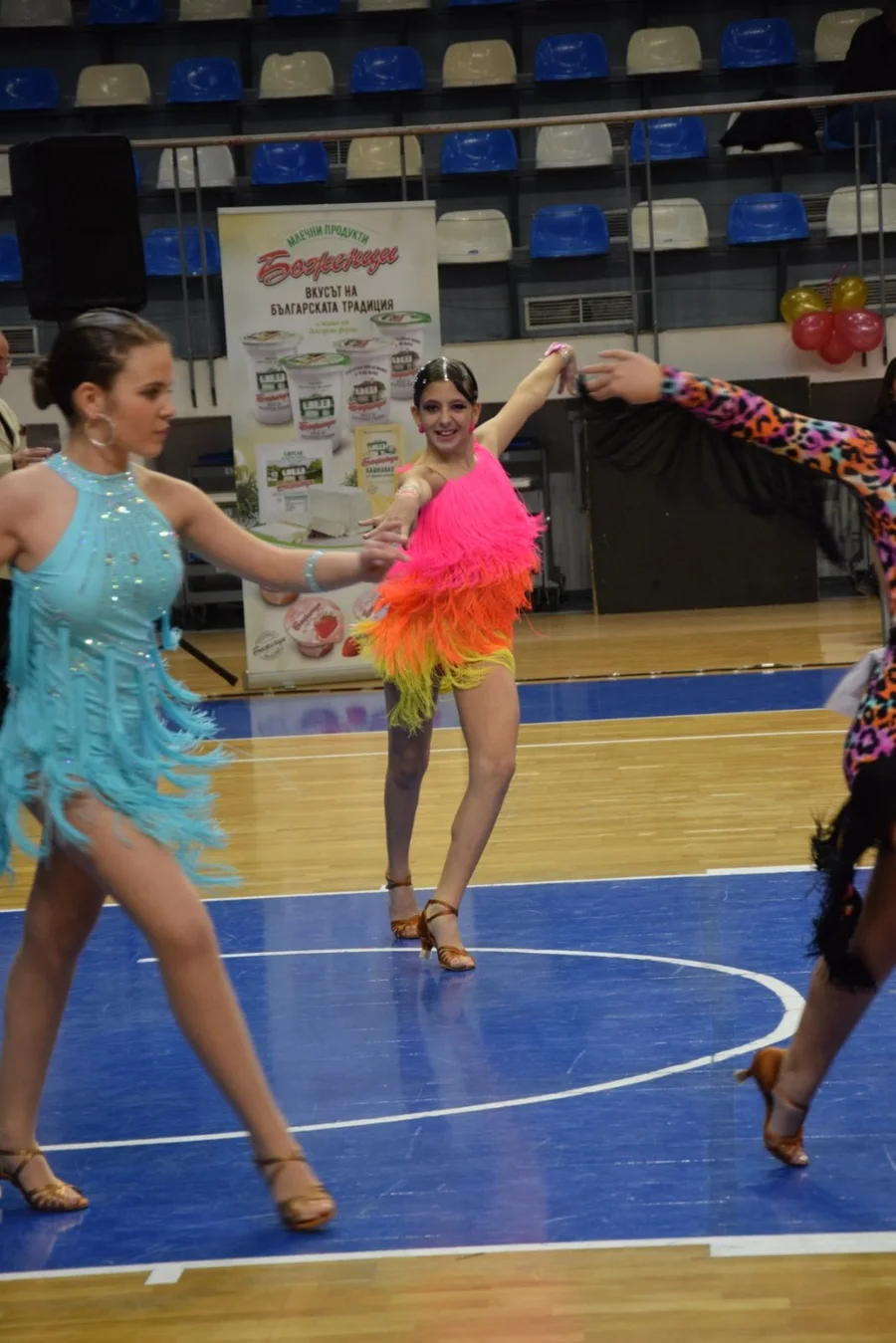
The organisers did not stop at simply providing a venue for a competition. They created a visual setting worthy of the scale and character of Freedom to Dance. Colours. Music. Spotlights. Light effects. Balloons. Decorations. VIP tables. Every element was part of the overall atmosphere.
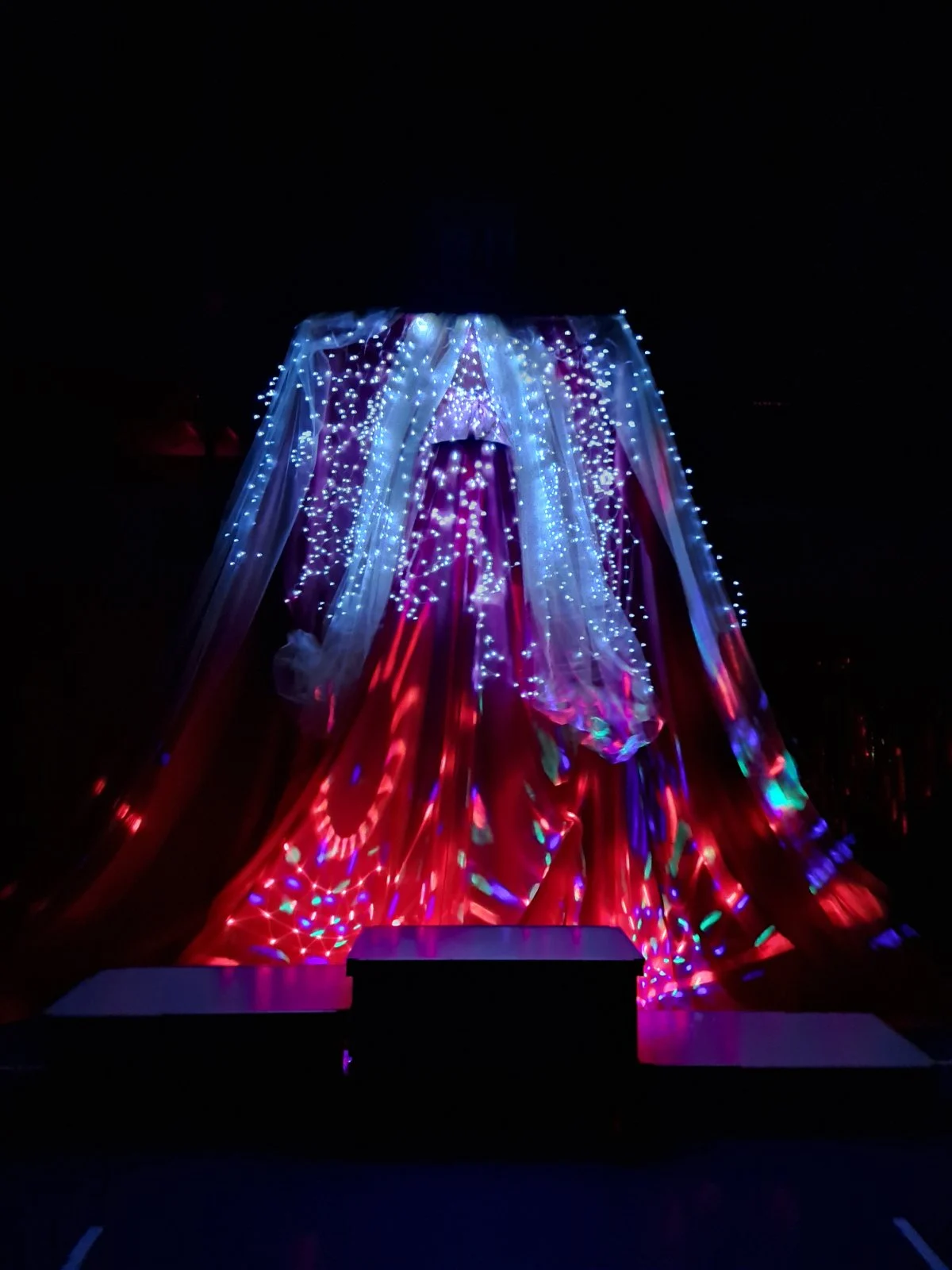
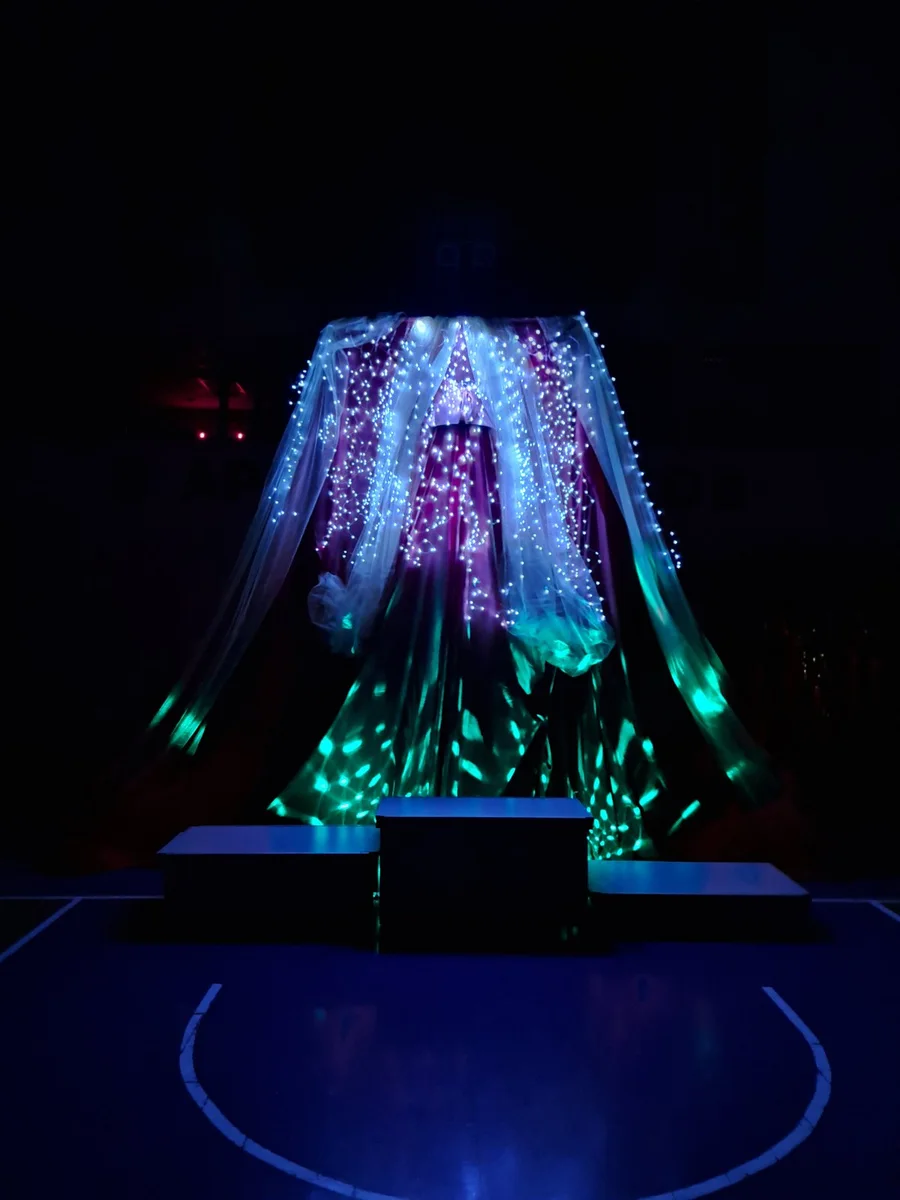
Special attention was also paid to the details that create lasting memories — among them a specially made podium with a unique design, which became a beautiful, symbolic moment at every award ceremony. It wasn't just a place for the winners to stand. It was the stage of victory — the place where a child could step up, see their award, hear the applause and, for a few seconds, feel their dream come true.
1,246 Times “Freedom to Dance”
Sometimes the scale of a festival is hard to describe in words alone. So let the numbers speak.
Behind these numbers are people — children, young people, coaches, parents, organisers, professionals, volunteers — and one shared love of dance.
24 Adjudicators — A Look Behind the Marks
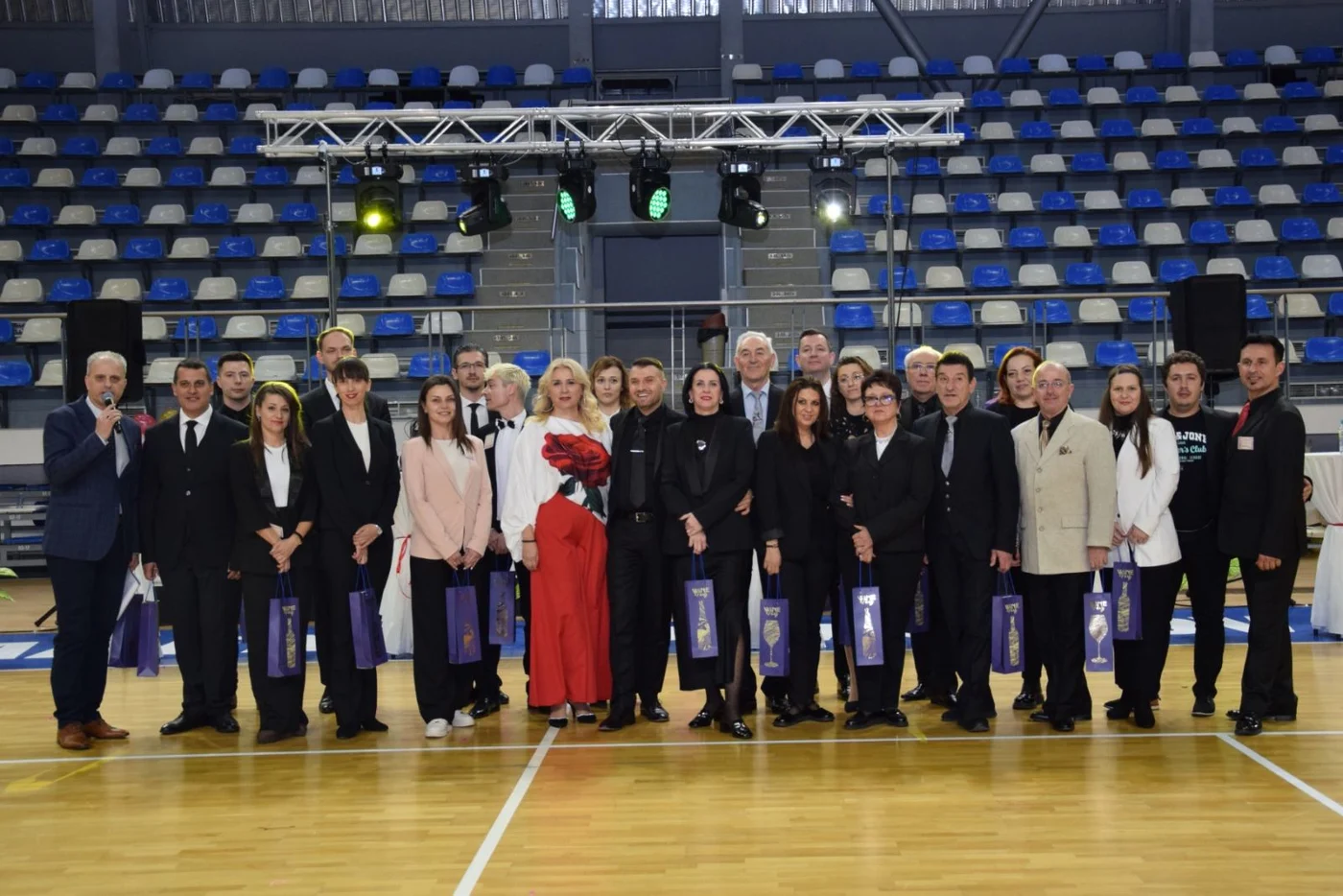
A festival of this scale is only possible with a professional team behind the dance floor. 24 adjudicators had the responsible task of observing, assessing and comparing the participants' performances. The panel was led by Chairperson of Adjudicators Ivan Terziev.
It was the professionalism of the adjudicating team that gave the festival the necessary weight and credibility. Every mark was based not only on the result, but also on technique, musicality, artistry, preparation and overall performance.
The Team That Made It All Look Easy
A big event never happens only on the dance floor. While the dancers are in the spotlight, a whole system of people works behind them to make sure every part of the programme is in its place.
Master of ceremonies Plamen Petrov guided participants and audience through the long festival day. Music was in the hands of Boyan Bonchev. Behind the scenes, where numbers, names, starts and results had to be processed with absolute precision, the scrutineering team led by Kristina Doneva was at work. With 1,246 entries, any mistake could cause chaos — which is why the professional work of the technical team, the MC, the music, the scrutineers and the adjudicators was one of the invisible pillars on which the whole festival was built.
Arena Samokov — The Stage of the Big Day
An event like this also needs a venue that can carry its scale. Arena Samokov provided excellent conditions for the festival. The space, the hall, the organisation and the possibility for hundreds of participants to be part of such a large event at the same time created the feeling of a truly great celebration of dance.
Care, Attention and Respect for Every Participant
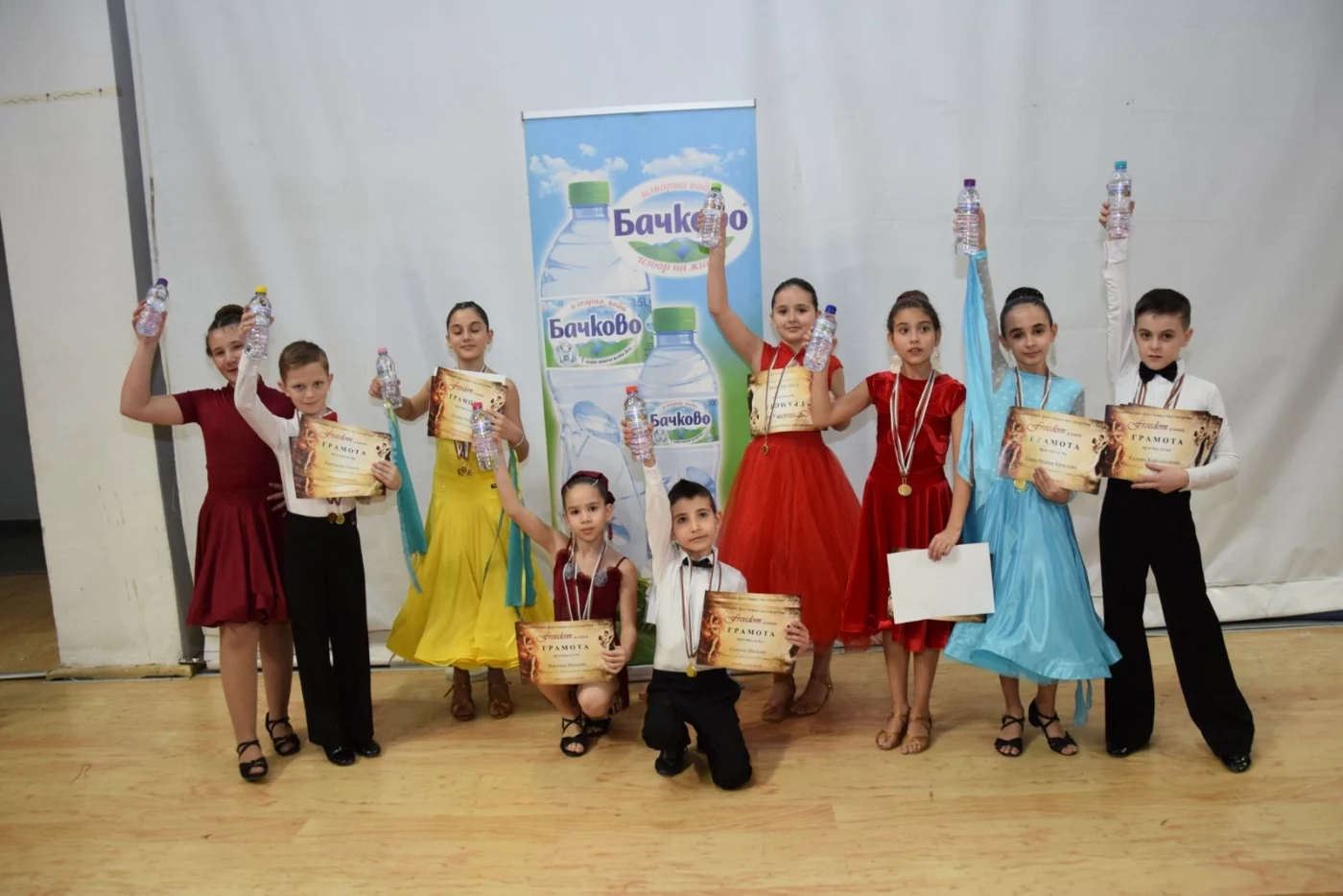
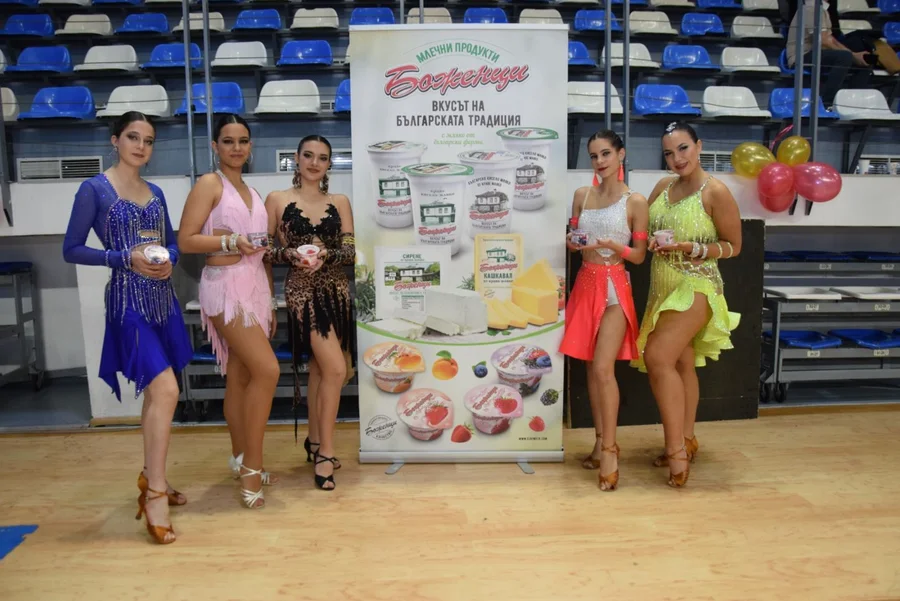
Freedom to Dance was not just a competition. It was a celebration in which the organisers and partners made sure every participant felt they were a valued part of it. The children were given special children's mineral water “Bachkovo” by Derby, as well as fruit yoghurt drinks from Bozhentsi.
But the care didn't end there. Every single participant, regardless of placing and whether or not they won a trophy, received their own individual certificate, a participation medal and a small gift. For competitors over 18 there was an extra surprise — prize money, in recognition of their hard work, perseverance and the years devoted to dance. Through these kind gestures and personal attention, the organisers wanted to tell every child: “You matter. Your hard work matters. Your participation counts.”
At first glance this may seem like a small detail. But for a child who has trained for weeks and months, who has overcome their nerves and stepped out in front of an audience, that medal can become one of the most treasured memories of their dance journey.
A Day That Began in the Dark
While Samokov was still waking up, the festival was already gathering pace. Start after start, category after category, child after child, couple after couple, minute after minute. The hall filled with music, and around the dance floor came applause, cheers of support and excited parents.
For some participants it was their first big competition experience. For others, another step on the road to professional development. For others still, simply a chance to step out and show how much they love to dance. But they all had their few minutes. Their place. Their stage. And their moment to be free.
Hotel Arena Samokov provided hospitality beyond the hall — for many participants and their families, Samokov was a place where they spent more than one day, and the hotel welcomed them warmly.
And as the clock moved relentlessly towards midnight, we left behind hours of music, hundreds of dances, thousands of rounds of applause, countless smiles, excitement, victories, hugs, moments of joy — and probably a few tears, because behind every trophy lies enormous effort. But the dance floor kept coming alive until the very end. It was a day when Bulgaria danced — from early dawn until almost midnight, from the first start to the last dance.
Moments from the Day
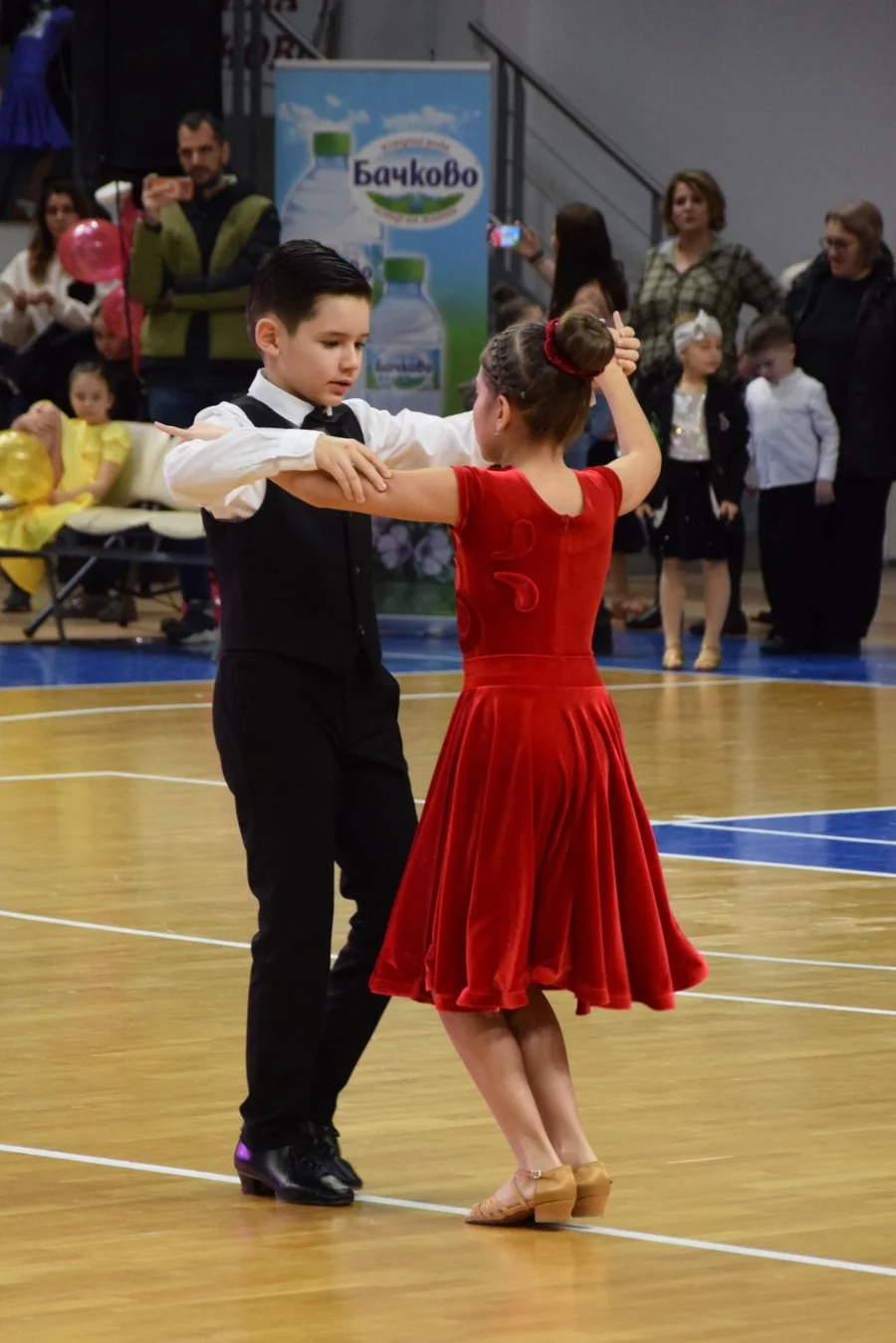
28 February 2026 — The Beginning of a Tradition
Sometimes an event is born as an idea. Then come the people who believe in it. Then come the children, the dancers, the coaches, the adjudicators, the parents, the organisers, the partners, the technical team. And together they turn an idea into reality.
Hristina Lalova and Nickolay Jordanov stood behind one shared idea — to give young talents a stage and to show that when we work together, we can create great things. And that is exactly what happened on 28 February 2026 in Samokov — proof that when a stage opens its doors to everyone, when differences are set aside and the young person and their dream are placed at the centre, something truly beautiful happens.
When the last lights in the hall went out, the last dancer stepped off the floor and the last guest headed home, something remained that can't be measured in a table. The emotion remained. The memory remained. The feeling of having been part of something big remained.
Freedom to Dance 2026 was the first big step. But the story doesn't end with the last dance of 28 February. It continues — because Freedom to Dance is not just the name of an event. It is a message that gathers people around one simple but powerful idea:
DANCE HAS NO LIMITS.
No barriers between clubs.
No barriers between schools.
No barriers between towns.
No limits when a child has a dream and someone gives them a stage to show it.
That is why we look forward to the next event under the Freedom to Dance banner. The next stage. The next smiles. The next dreams. The next first steps. The next great performances. And the next moment when we can say once again:
Dance has no limits.
There is only the freedom to dance.